
Introduction
BluSmart was once seen as India’s most promising all-electric ride-hailing startup, aiming to
challenge giants like Uber and Ola with a clean, sustainable approach.
It positioned itself as a 𝘇𝗲𝗿𝗼-𝗲𝗺𝗶𝘀𝘀𝗶𝗼𝗻 𝗮𝗹𝘁𝗲𝗿𝗻𝗮𝘁𝗶𝘃𝗲, focusing on reliability, no cancellations, and
eco-friendly rides. But despite strong vision and funding, the startup struggled to scale and
eventually faced major setbacks.
Startup Overview
• 𝗙𝗼𝘂𝗻𝗱𝗲𝗱: 2019
• 𝗛𝗲𝗮𝗱𝗾𝘂𝗮𝗿𝘁𝗲𝗿𝘀: Gurugram, India
• 𝗜𝗻𝗱𝘂𝘀𝘁𝗿𝘆: Electric Mobility / Ride-Hailing
• 𝗦𝗲𝗿𝘃𝗶𝗰𝗲: App-based cab booking using only electric vehicles
BluSmart’s unique model included:
• No surge pricing
• No ride cancellations
• Fully electric fleet
• Own charging infrastructure
It operated mainly in cities like:
• Delhi NCR
• Bengaluru
The company also built EV charging hubs, making it more than just a cab service.
Founders Background
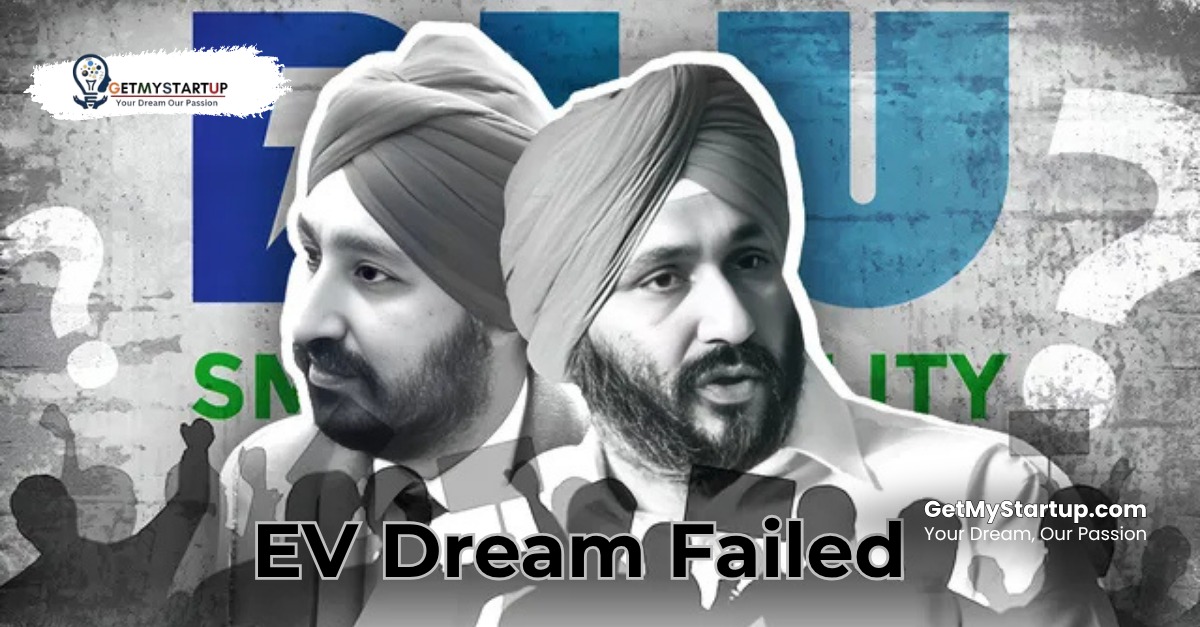
Anmol Singh Jaggi
• Co-founder of BluSmart
• Previously founded Gensol Engineering (solar energy company)
• Strong background in renewable energy
Puneet Singh Jaggi
• Brother of Anmol Jaggi
• Also co-founder of Gensol Engineering
• Expertise in clean energy and infrastructure
Their vision:
To combine clean energy + mobility and create a sustainable transport ecosystem.
Growth and Success Phase
BluSmart quickly gained attention because:
• Raised $200M+ funding from investors
• Partnered with Tata Motors for EV supply
• Built India’s largest EV ride fleet (at one point)
• Focused on premium, reliable service
Users loved:
• Clean cars
• Professional drivers
• No cancellations
M𝗮𝗷𝗼𝗿 𝗣𝗿𝗼𝗯𝗹𝗲𝗺𝘀 & 𝗖𝗵𝗮𝗹𝗹𝗲𝗻𝗴𝗲𝘀
H𝗶𝗴𝗵 𝗖𝗮𝗽𝗶𝘁𝗮𝗹 𝗥𝗲𝗾𝘂𝗶𝗿𝗲𝗺𝗲𝗻𝘁
• EVs are expensive
• Charging infrastructure cost was huge
• Required continuous funding
Burn rate was very high
I𝗻𝗳𝗿𝗮𝘀𝘁𝗿𝘂𝗰𝘁𝘂𝗿𝗲 𝗗𝗲𝗽𝗲𝗻𝗱𝗲𝗻𝗰𝘆
• EV charging takes time
• Limited charging stations slowed operations
• Fleet utilization became inefficient
U𝗻𝗶𝘁 𝗘𝗰𝗼𝗻𝗼𝗺𝗶𝗰𝘀 𝗣𝗿𝗼𝗯𝗹𝗲𝗺
• High upfront cost + low margins
• Hard to become profitable
• Compared to asset-light models like Uber
S𝗰𝗮𝗹𝗶𝗻𝗴 𝗗𝗶𝗳𝗳𝗶𝗰𝘂𝗹𝘁𝘆
• Could not expand rapidly to multiple cities
• Needed physical assets (cars + chargers)
• Slower growth than competitors
C𝗼𝗺𝗽𝗲𝘁𝗶𝘁𝗶𝗼𝗻 𝗣𝗿𝗲𝘀𝘀𝘂𝗿𝗲
Competing with:
• Uber
• Ola
These platforms:
• Had larger networks
• Used asset-light models
• Could scale faster
F𝘂𝗻𝗱𝗶𝗻𝗴 𝗗𝗲𝗽𝗲𝗻𝗱𝗲𝗻𝗰𝘆
• Business depended heavily on funding
• Any slowdown in investment directly impacted growth
W𝗵𝘆 𝗕𝗹𝘂𝗦𝗺𝗮𝗿𝘁 𝗦𝘁𝗿𝘂𝗴𝗴𝗹𝗲𝗱 / 𝗙𝗮𝗶𝗹𝗲𝗱
The main reasons:
• Capital-intensive model failed in a price-sensitive market
• Infrastructure-heavy approach slowed scaling
• Unit economics were not sustainable
• Strong competition from established players
In simple words:
“𝘎𝘳𝘦𝘢𝘵 𝘪𝘥𝘦𝘢, 𝘣𝘶𝘵 𝘦𝘹𝘦𝘤𝘶𝘵𝘪𝘰𝘯 𝘣𝘦𝘤𝘢𝘮𝘦 𝘵𝘰𝘰 𝘦𝘹𝘱𝘦𝘯𝘴𝘪𝘷𝘦 𝘵𝘰 𝘴𝘶𝘴𝘵𝘢𝘪𝘯.”
K𝗲𝘆 𝗟𝗲𝘀𝘀𝗼𝗻𝘀 𝗳𝗿𝗼𝗺 𝗕𝗹𝘂𝗦𝗺𝗮𝗿𝘁
L𝗲𝘀𝘀𝗼𝗻 𝟭: 𝗩𝗶𝘀𝗶𝗼𝗻 = 𝗕𝘂𝘀𝗶𝗻𝗲𝘀𝘀 𝗠𝗼𝗱𝗲𝗹
A good idea (EV + sustainability) is not enough without profitability.
L𝗲𝘀𝘀𝗼𝗻 𝟮: 𝗖𝗮𝗽𝗶𝘁𝗮𝗹 𝗘𝗳𝗳𝗶𝗰𝗶𝗲𝗻𝗰𝘆 𝗠𝗮𝘁𝘁𝗲𝗿𝘀
Asset-heavy businesses need deep pockets and long patience.
L𝗲𝘀𝘀𝗼𝗻 𝟯: 𝗧𝗶𝗺𝗶𝗻𝗴 𝗶𝘀 𝗘𝘃𝗲𝗿𝘆𝘁𝗵𝗶𝗻𝗴
EV ecosystem in India is still developing — maybe too early.
L𝗲𝘀𝘀𝗼𝗻 𝟰: 𝗦𝗰𝗮𝗹𝗮𝗯𝗶𝗹𝗶𝘁𝘆 𝗶𝘀 𝗖𝗿𝘂𝗰𝗶𝗮𝗹
If you can’t scale fast, competitors will win.
C𝗼𝗻𝗰𝗹𝘂𝘀𝗶𝗼𝗻
BluSmart tried to revolutionize mobility with sustainability, but:
• High costs
• Slow scaling
• Funding pressure
led to its downfall.
However, it still played an important role in:
• Promoting EV adoption in India
• Showing the future of clean mobility
Published by: GetMyStartup.com
India’s Leading Platform for Startup Stories, Business Insights & Entrepreneur Lessons
